About Us
The Project is led by an expert in architectural conservation and on Sze Yap history, Dr Selia Tan who is based in Kaiping, Mr Rocky H. Dang who assists with the logistics, and a small dedicated team. With the support of indigenous villagers and the local government, the village has all the elements of an ancient community. Together with local Sze Yap inhabitants, we set out to welcome students and visitors, both from overseas and locally. Our enthusiastic and knowledgeable team will help you to understand and appreciate the Diaolou, the history of the Overseas Chinese, and the unique circumstances that led to this most special lifestyle, with both overseas and local aspects. As well, you will have a chance to experience in an interactive way, the village life and to enjoy the landscape and scenery of the villages. This can be done in many ways such as through lectures, or group work, sharing, cycling, site visiting and meeting local villagers, visiting local markets, farming and cooking, hands on experience of arts and crafts with local experts and so on, or even just sitting under the village banyan tree. Volunteers and students contribute to the Project in a variety of ways.
We provide displays, education and workshops, encouraging students and young people to be involved with the work of the Project and in promoting its aims, and in mixing with locals and each other to promote mutual understanding. We are involved in restoration and rehabilitation of local culture and heritage. We carry out research and put into practice a combination of experimental projects, identifying heritage values, community involvement, helping to understand what you see and giving presentations about preservation of both the tangible and intangible cultural heritage and traditions.
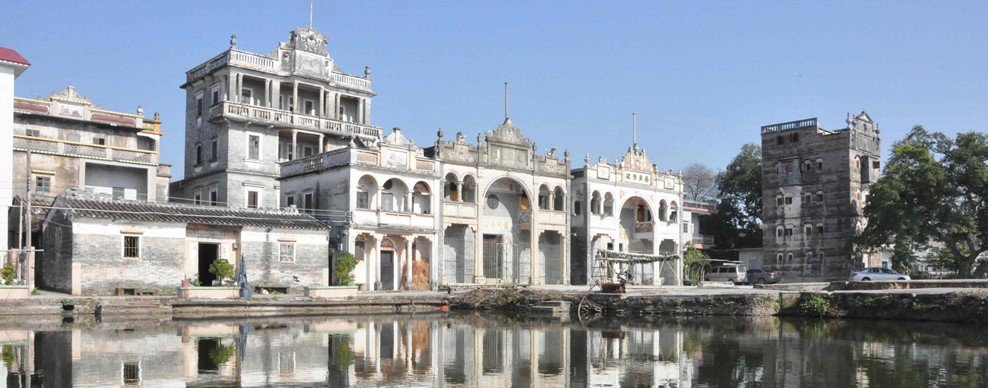
To achieve the goals, the first objective of the Project was to establish facilities in Cang Dong village for the education base. The historic buildings are activated to provide simple bed and breakfast type accommodation, while respecting the various elements of the ancestral hall. Students and visitors can come to Cang Dong Diaolou village and live there a while, learning through inter-active experience about local life and overseas Chinese living, and about protection of the environment and the cultural heritage. This helps young people develop skills and appreciate an overseas hometown feeling; it also helps young people understand the importance of heritage conservation.
Our Story
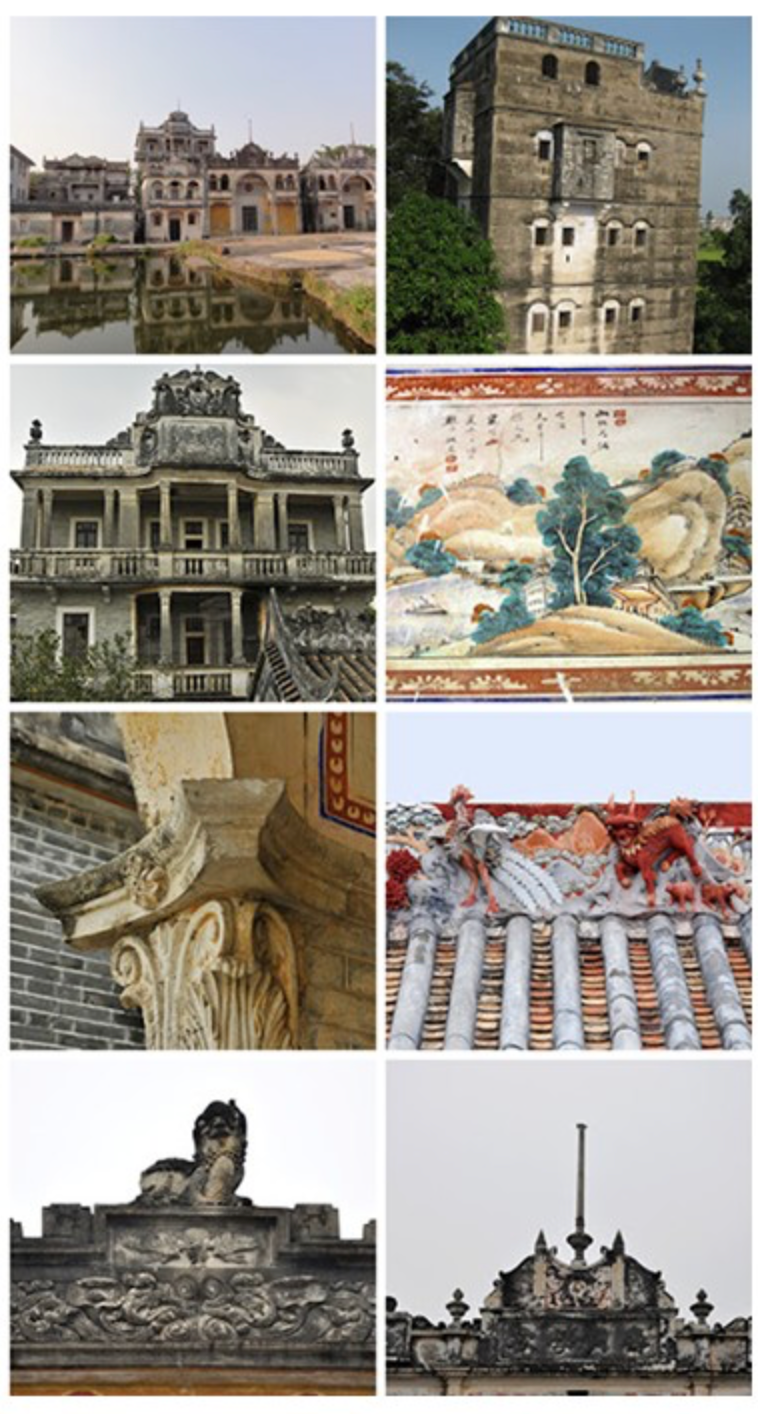
The sequence of building and the series of investments made relating to Cang Dong Village, to Dong Ming Village and to the Li Yuan Garden record the evolutional history of the hometown society of these overseas Chinese. In Cang Dong, the diversity of styles and sizes of the buildings, and the winding lanes of the village are witness to its long history. By comparison, the ordered village planning of Dong Ming Village and the unique architectural styles bear much information about the influence of the overseas Chinese thinking on the hometown development. Further, Genghua Village and the Li Yuan Garden (which now is one of the UNESCO World Heritage sites) are masterpieces of architectural style in the Republican period.
Since 2010, some descendants of the clan have given funds to help repair the Xie clan Ancestral Halls. Particularly, Mr. Xie Tian-you ( Tse Tien-Yau) from Hong Kong has been very supportive of restorative work in the Cang Dong ancestral halls and has been generous with his contributions for the major renovations of these two ancestral halls carried out under the direction of Dr Selia Tan and her team from the Wuyi University.
A Hong Kong based cultural exchange organization, *Intrinsic -for students and youth™ has participated in this revitalization project, now known as the “Kaiping Diaolou
Conservation and Development Project”. Students and visitors can come to Cang Dong Diaolou village and live there a while, learning through inter-action with local people
about their lifestyle and the Overseas Chinese experience. They can also learn about protection of the environment and an appreciation of the cultural heritage and its conservation.
Recognition
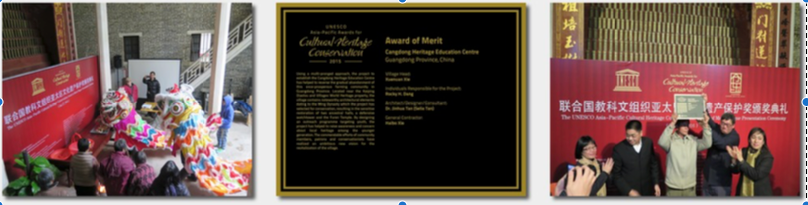
Award of Merit:
- Cangdong Heritage Education Centre, Kaiping City, Guangdong Province, China
- Project Name: Cangdong Heritage Education Centre
- Location: Guangdong Province, China
Using a multi-pronged approach, the project to establish the Cangdong Heritage Education Centre has helped to reverse the gradual abandonment of this once-prosperous farming community in Guangdong Province. Located near the Kaiping Diaolou and Villages World Heritage property, the village contains noteworthy architectural typologies dating to the Ming Dynasty which the project has selected for conservation, resulting in the sensitive restoration of two ancestral halls, a defensive watchtower and the Furen Temple. By designing an outreach program targeting youth, the project has helped to raise awareness and concern about local heritage among the younger generation. The commendable efforts of community members, patrons and conservation
History
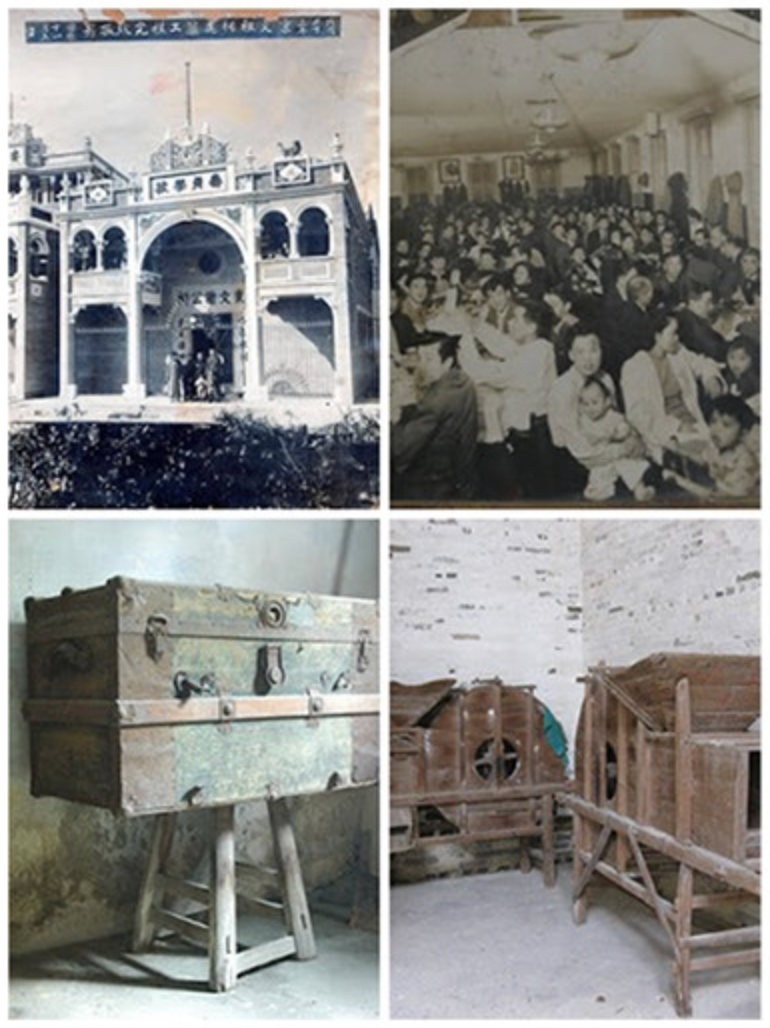
Cang Dong Village is in the Tangkou Township, part of Kaiping City in Guangdong Province. It has long been the home of the Clan surnamed Xie. A gentleman named Xie Rong-shan moved from Xin Hui (in Guangdong Province) and first settled in the area about 700 years ago. From the third generation the village was divided into two villages with Xie Hou-cheng and his descendants living in Cang Dong (East) while Xie Hou-jian lived in Cang Sai (West). There have been about 25 generations since the first settlement.v
During the late Qing Dynasty, the population of Cang Dong village increased. In 1905 some returnee overseas Chinese from N.America moved out of Cang Dong and set up a new village called “Dong Ming Village” nearby.
During the 1930’s Cang Dong Village thrived. At thattime some overseas Chinese came back to the village with remittances and invested in their hometown. Ancestral halls and schools were built. It was the most
glorious era of Cang Dong Village. At the same time, the family of Xie Yue-you built their own village named Geng Hua Village and the private Li Yuan Garden, just to the east of Dong Ming Village. After the 1940’s war,
up to the 1970’s the population increased to a peak of more than 300 people. However, the population decreased after Deng Xiao-ping’s opening-up policy (since 1978), and again there was a migration of some
villagers overseas, while others moved out to cities in China.